
The Illusion of Ethics at Scale: Why “Pasture-Raised” Isn’t What You Think It Is
Walk into any health-conscious grocery store and you’ll be met with cartons of eggs whispering stories of sunshine, happy hens, and dew-kissed grass. Vital Farms, among the most popular, lines shelves with the phrase “Pasture-Raised” in bold, clean typography. The imagery evokes hens roaming freely through endless fields, eating worms and wild greens under a sky that never darkens. But here’s the real: that image is a fantasy.
Not because the brand is malicious, or the food is unsafe, but because we live in a system where mass production almost always means compromise.
When a brand feeds millions of people across a continent, it is not operating from a backyard coop. It is managing supply chains, purchasing feed in bulk, partnering with hundreds of farms across varied geographies and seasons, and balancing relationships with retailers who demand consistent prices and predictable quantities. That’s not a conspiracy, it is capitalism and it’s just scale. And scale doesn’t play well with nuance.
What “Pasture-Raised” Really Means
The phrase “pasture-raised” on Vital Farms’ cartons is technically backed by third-party certification from the Certified Humane program. That means each hen is promised a minimum of 108 square feet of rotated pasture and some daily access to the outdoors. But here’s where it gets cloudy. Pasture access doesn’t mean permanent roaming in an endless field. Hens still live in enclosed barns at night. They still receive supplemental feed. And unless that carton says “USDA Organic,” that feed is likely made up of conventionally grown corn and soy, both of which are often genetically modified and sourced from industrial monocultures. So when you’re holding a carton that says “Pasture-Raised” but not “Organic,” you’re buying eggs from hens that lived under better welfare standards than caged hens, but not from the fantasy-farm your mind imagined.
What reinforces the illusion is the language. Brands often use terms like “fresh air and sunshine,” “freedom to roam,” or “ethical eggs from happy hens.” These aren’t regulated claims, it is marketing. They’re emotional cues designed to evoke trust, warmth, and goodness. You see green grass on the carton, read words like “compassionate” and “conscious,” and your nervous system exhales. That’s the power of marketing language. It soothes the ethical discomfort of industrial systems by offering a visual and linguistic balm. But the real story lives in the fine print or in what’s missing from it.
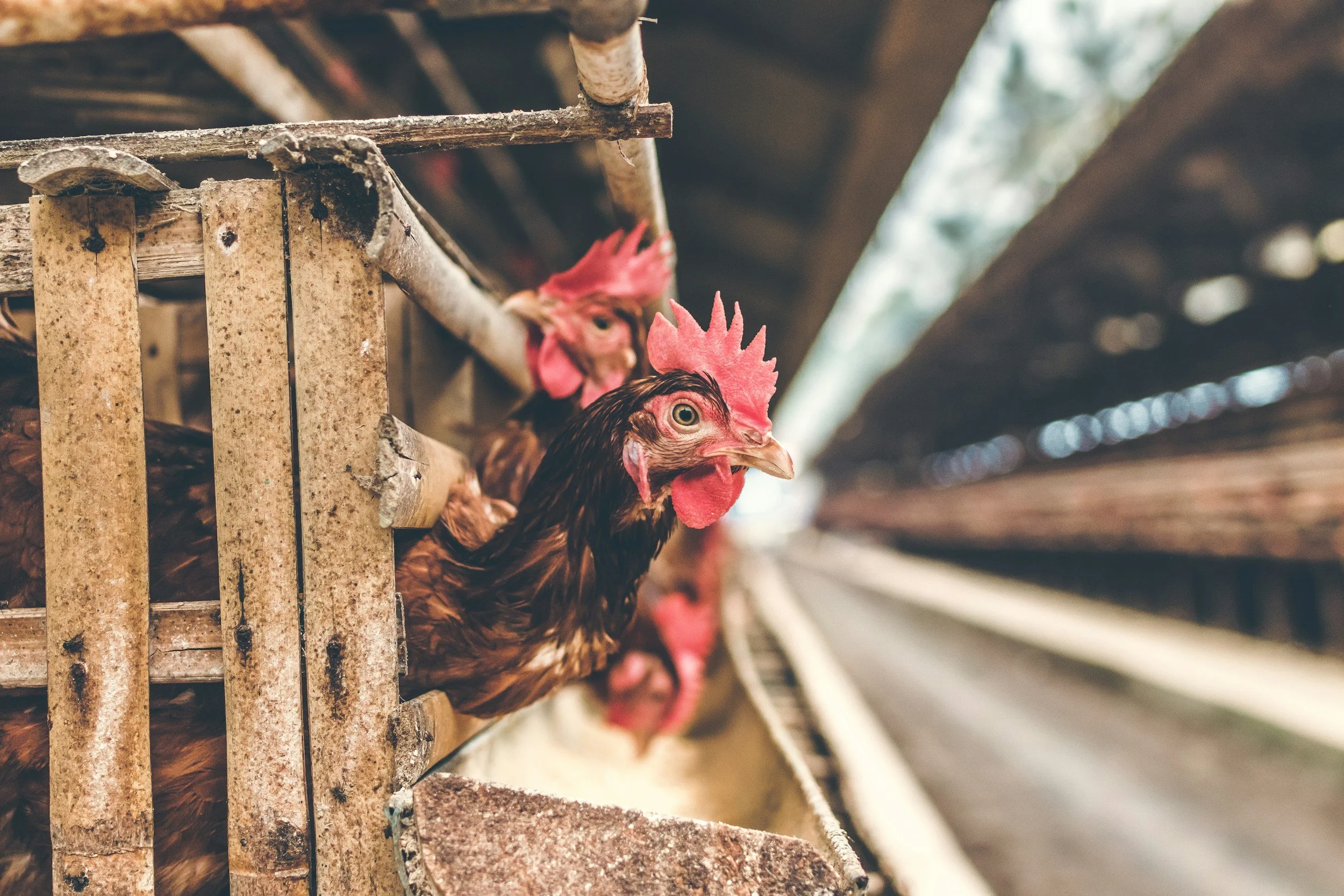
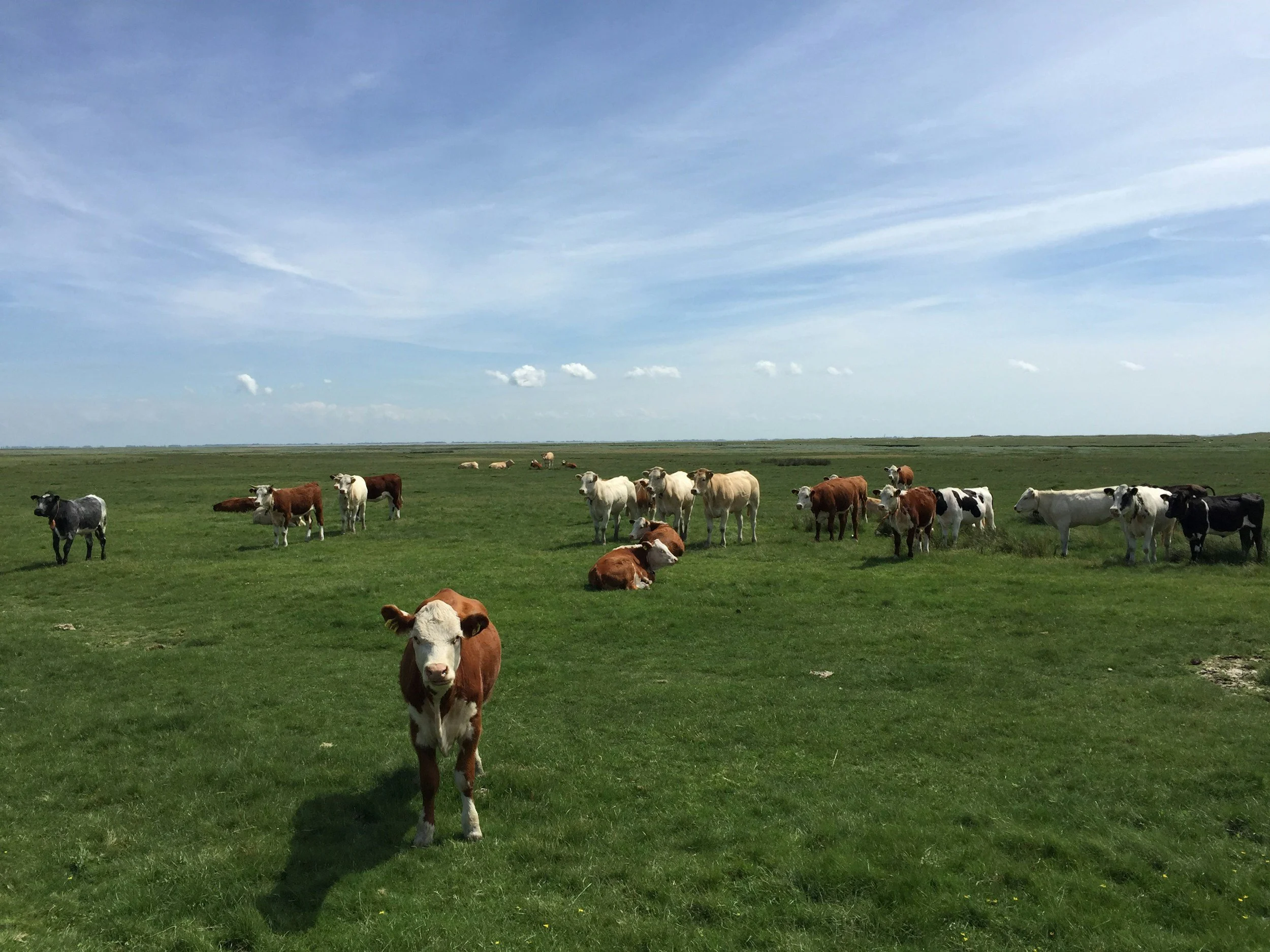
ethical pasture raised cows.
What About Kerrygold?
Take Kerrygold butter, often celebrated for being "grass-fed" and Irish. A series of lawsuits recently challenged the company’s marketing, revealing that while Irish cows do graze more than most, many are still fed grains like corn and soy during certain seasons. The butter itself is still delicious. It may even be better than conventional. But the “grass-fed” label doesn’t mean the cows eat only grass, and it doesn’t guarantee non-GMO feed either because U.S. law does not require that kind of transparency unless the product is certified organic. And that’s the pattern.
When a company wants to scale ethically, it often leads with language not logistics. Because true regenerative, transparent, non-GMO food systems require more time, smaller operations, and more expensive practices. Which leads us to the unavoidable tension: ethics, affordability, and scale are almost always in competition.
The Reality of Mass-Production and Ethical Compromise
When a brand reaches the scale of feeding millions of people daily, whether it’s eggs, butter, almond milk, or “green” fashion — it almost always faces the same tension: How do we produce enough to meet demand, keep prices accessible, and still claim ethical, sustainable, or holistic practices? And the honest answer is: Most can’t do all three. Something almost always gives.
The Ethical Trade-Off Equation:
To operate at mass scale, companies have to:
Buy huge volumes of feed (corn, soy, etc.) often from industrial suppliers.
Work with hundreds of farms, many of which vary in practices despite oversight.
Maintain shelf-stable supply chains, which often means cutting corners to avoid spoilage or inconsistency.
Keep costs down for retailers, or else get pushed out by cheaper competitors.
So they optimize labels and language, not necessarily practices. And that’s where you get:
Terms like “pasture-raised” that sound free-range and holistic, but aren’t deeply regulated.
Grass-fed claims where cows still eat grains part of the year.
Green packaging and feel-good marketing layered over systems built for scale.
When It Is Done Ethically:
When a company truly commits to ethical, regenerative, small-scale practices like:
Organic, local, non-GMO feed
Rotational grazing that actually regenerates soil
Zero or low fossil-fuel supply chains
Human-scale labor (not exploited or automated)
Minimal packaging and transport
... the result is a product that costs significantly more and is often less scalable.
That’s why:
A dozen eggs from a true small organic regenerative farm can cost $10–$15
Raw dairy, heirloom meat, or biodynamic vegetables can feel “elitist” — not because they’re fancy, but because the system itself isn’t subsidized
Meanwhile, industrial agriculture is backed by government subsidies for corn, soy, fuel, water, etc., and that’s what makes mass-production “affordable.” But it’s artificially cheap and ethically expensive. It is the math of late-stage capitalism and global supply chains. But we feel the compromise in our bodies, even if the labels say otherwise.
Is It All Hopeless?
No. Awareness is not the enemy of action. It’s the doorway to conscious choice. And while most of us can't live entirely outside the system, we can engage with it more intentionally. We can:
Choose your “ethical splurges” like eggs, butter, or local meat.
support local farms or farmers’ markets when possible
buy USDA Organic when feed quality matters
read labels carefully and resist the fantasy
And most importantly, we can stop blaming ourselves for being "duped" these illusions were designed to soothe us.
Final Thoughts
Let’s be honest , no label is going to save us. Not “pasture-raised,” not “organic,” not “grass-fed.” Most of them were created to sell us a feeling, not to reflect a full truth. But that doesn’t mean we throw our hands up and stop caring. It means we stop expecting perfection from systems that were never designed for integrity at scale. It means we start paying attention not just to what labels say, but to how they’re used, and who profits from our confusion. We are trying to guilt trip, shame, or point fingers because we are all trying to survive. However, it is about knowing what you’re actually choosing, and choosing with eyes open.
You don’t have to overhaul your life to be intentional. Start with one thing. Read the label. Ask the question. Buy the better option when you can. And when you can’t, release the pressure and return to what you do control, your awareness, your voice, your values.
You deserve food that’s aligned with care. You deserve truth in your hands, not marketing with fancy words dressed as mindfulness. And now you know better, and that is already enough.
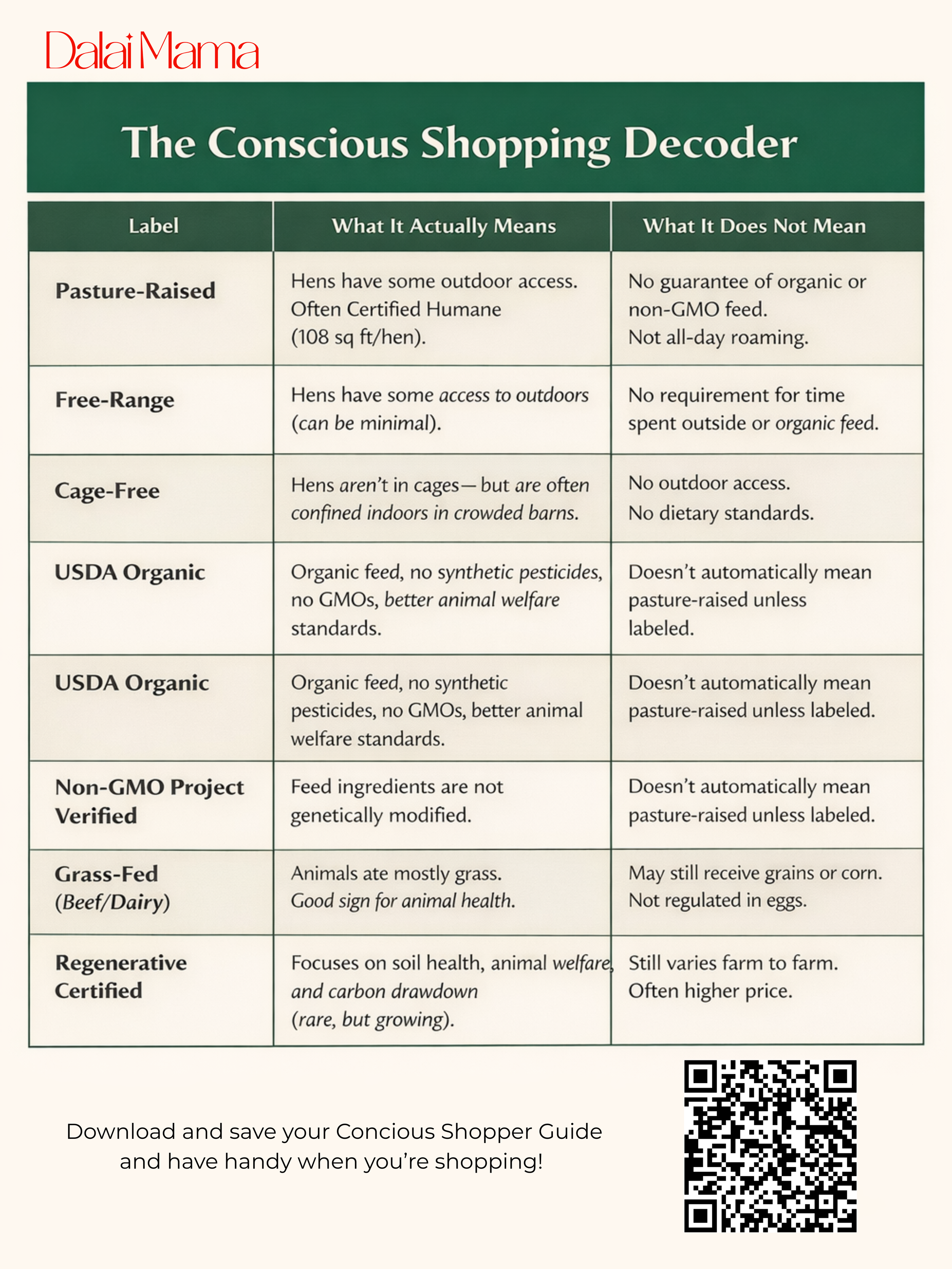
Click Image and save. Share with friends and family, and let it be a tool you use to help you shop with more awareness!
